
"The Comparative Vǫluspá" is Now Available for Use
Vǫluspá is the most widely studied and celebrated poem in the Old Norse corpus. However, readers who own a few different translations of it know how different they can be from one another.
Translators also greatly benefit from comparing their rendering decisions who those who came before them, and students of the poems regularly seek out discussion of the poem's tightly-packed stanzas, particularly some of its more troublesome items.

Introducing "The Comparative Vǫluspá"
The Old Norse poem Vǫluspá is perhaps the most famous and widely studied Old Norse poem. However, to date it has been difficult and time consuming to quickly compare the many English language translations the poem. To help remedy this problem, we’re happy to announce that we are introducing a new resource: The Comparative Vǫluspá.
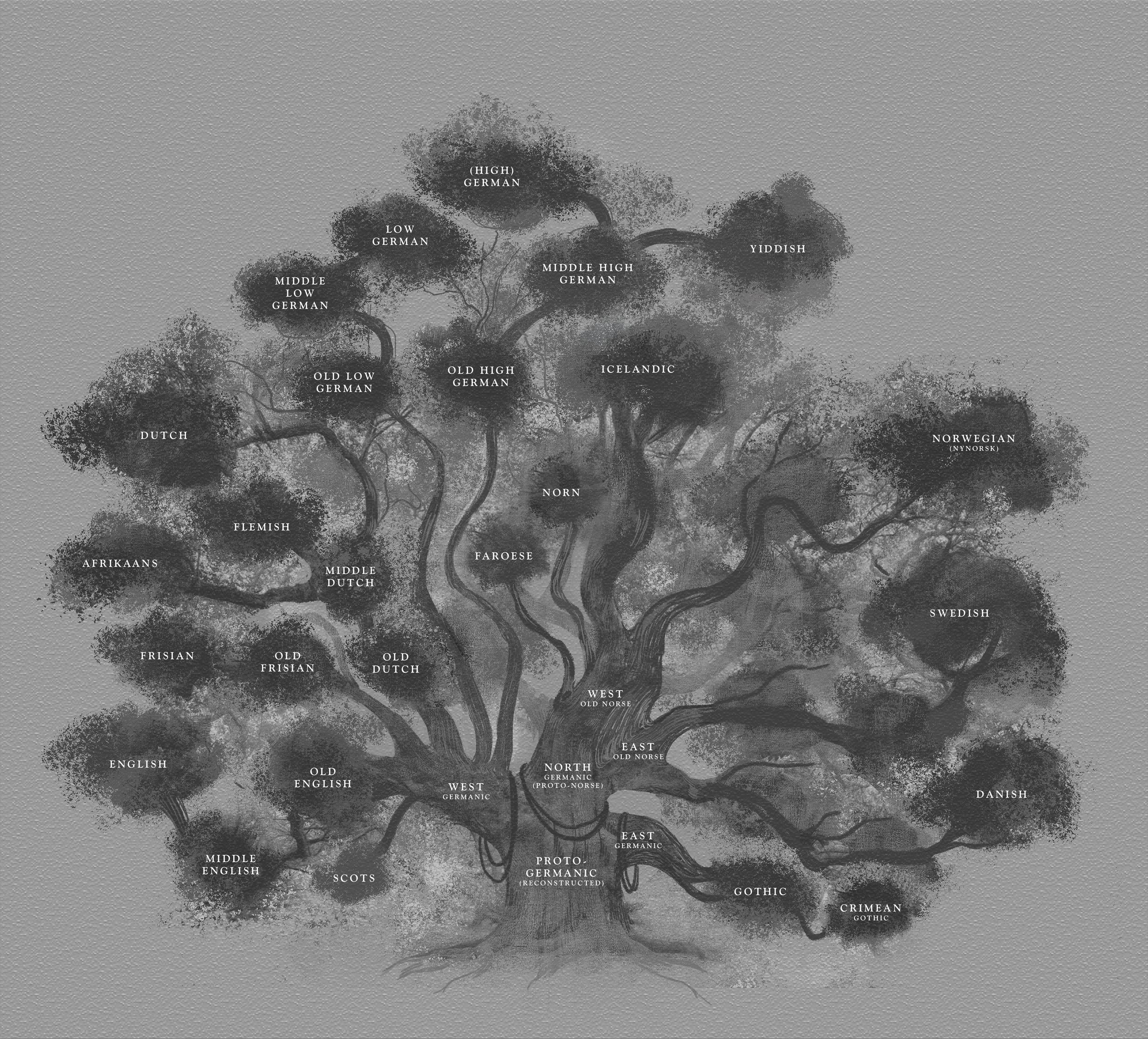
New Illustrated Tree Model of the Germanic Languages
To assist readers confused by the many languages and dialects regularly discussed throughout the Mimisbrunnr.info project, artist Rim M. has created an illustrated new tree model of the Germanic languages.
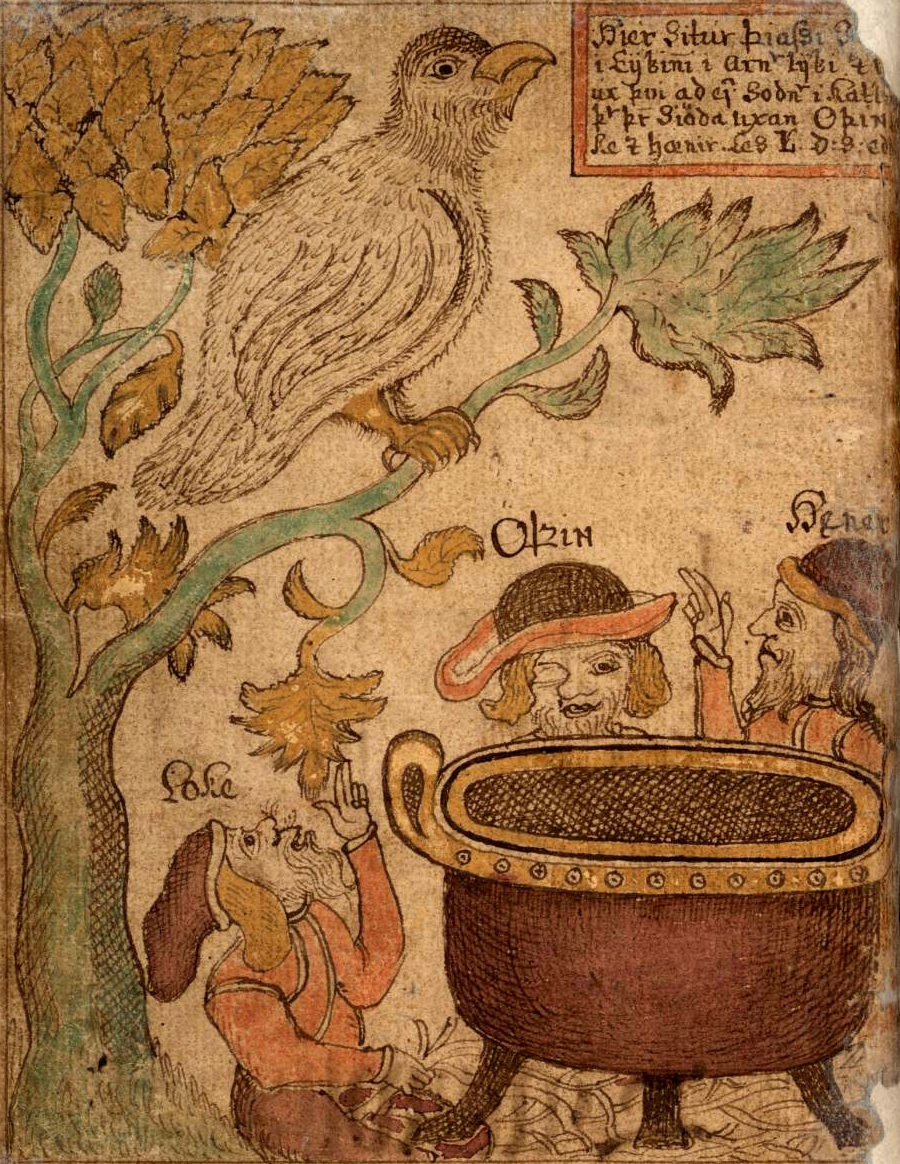
Now Online: New Stylized and Direct Translations of "Lokka Táttur", the Faroese 'Tale of Loki'
We at Mimisbrunnr.info are very pleased to announce the completion of two new translations of “Lokka Táttur”, the Faroese tale of Loki. These editions are now online for your reading pleasure.
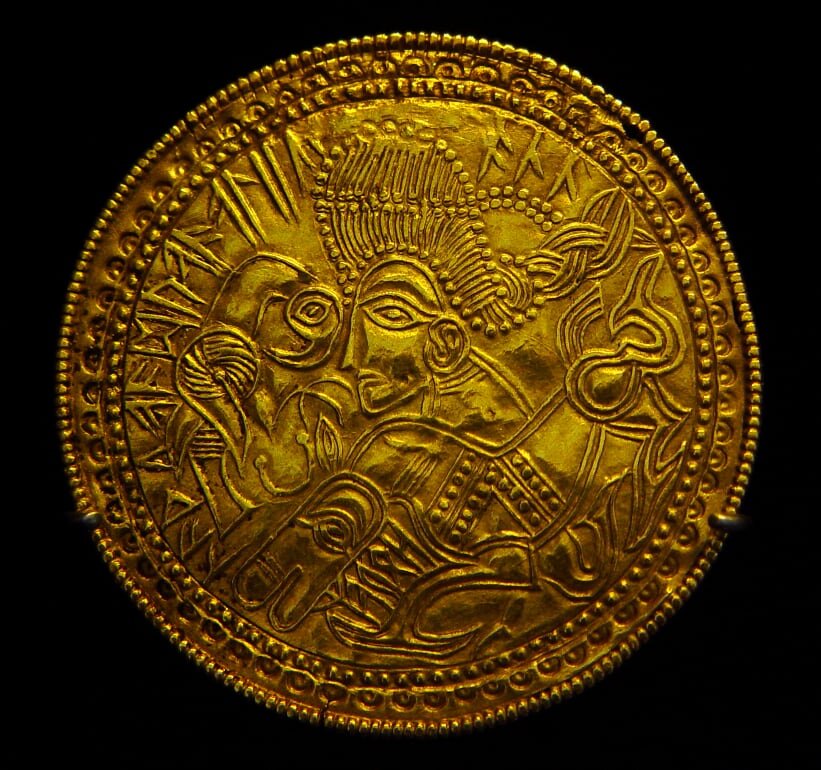
On the Shapes of Gods: Historic Depictions of Ancient Germanic Deities & the Imagery of Mimisbrunnr.info
Mimisbrunnr.info’s On the Shapes of Gods aims to meet two primary goals: First, to explain Mimisbrunnr.info’s approach to the original art that appears throughout the project and, second, to make the daunting and often confusing historical record’s depictions of ancient Germanic deities a little more approachable for artists, authors, and other creatives who wish to draw from it.
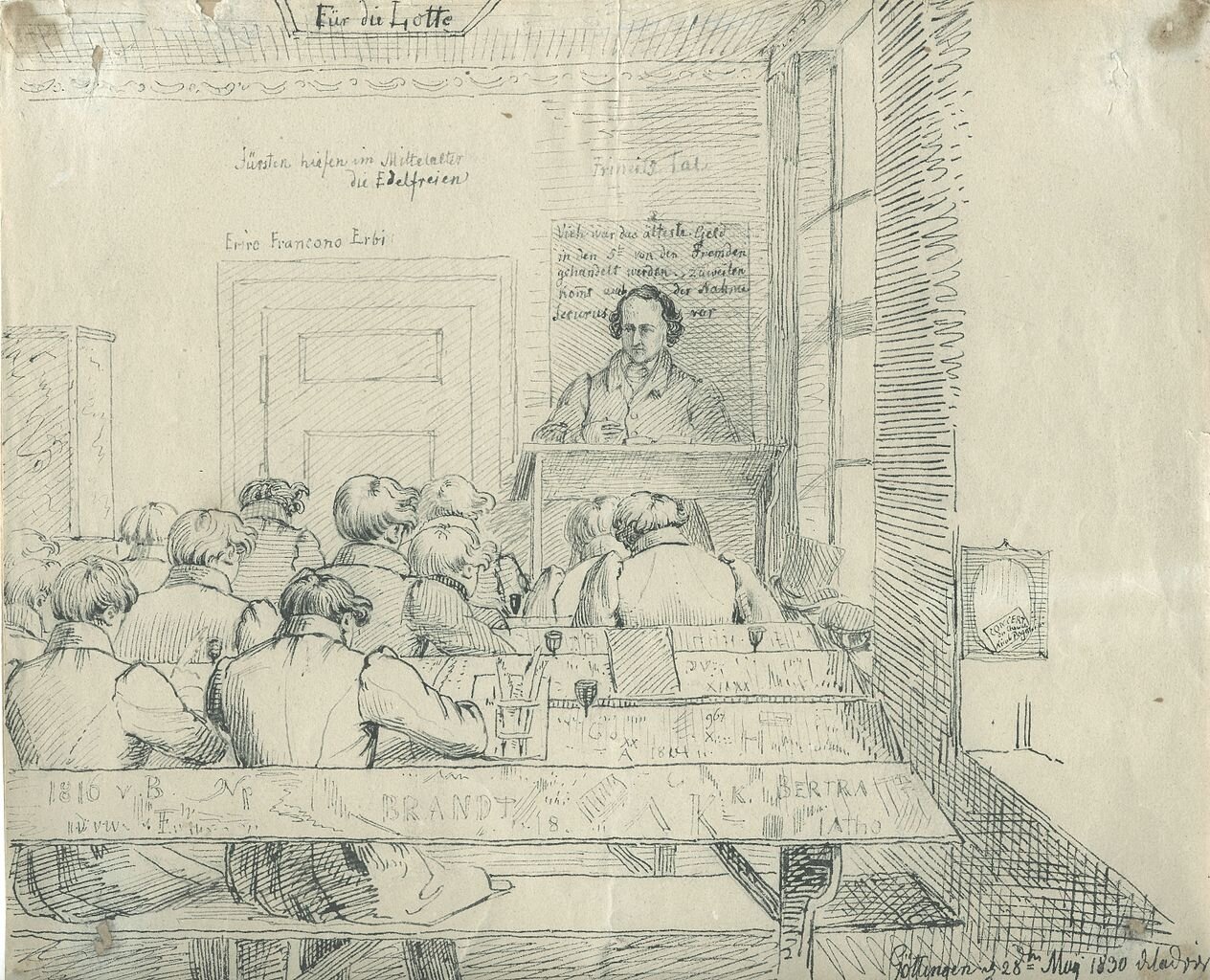
The Grimmdex
Throughout the 1880s, James Stallybrass published “Teutonic Mythology”, a four volume edition of iconic scholar Jacob Grimm’s immensely influential “Deutsche Mythologie”. Frequently discussed by scholars to this day, the text is notoriously difficult to approach. The Grimmdex aims to make “Teutonic Mythology” more accessible by greatly expanding the resource’s table of contents.
Museum Resources: Digital Collection Catalogues
Museums throughout Europe house the most important objects studied by scholars active in the field of Ancient Germanic studies. As of 2021, many larger museums in the region make their collections available to the public for free online. The present resource consists of a list of museum websites that contain such catalogues.
PDF version of "Meeting the Rus' through Translation'" now online
The world's first in-depth overview of 'full' English translations of Ahmad ibn Fadlan's Risala is now available online as a PDF at Academia.edu.
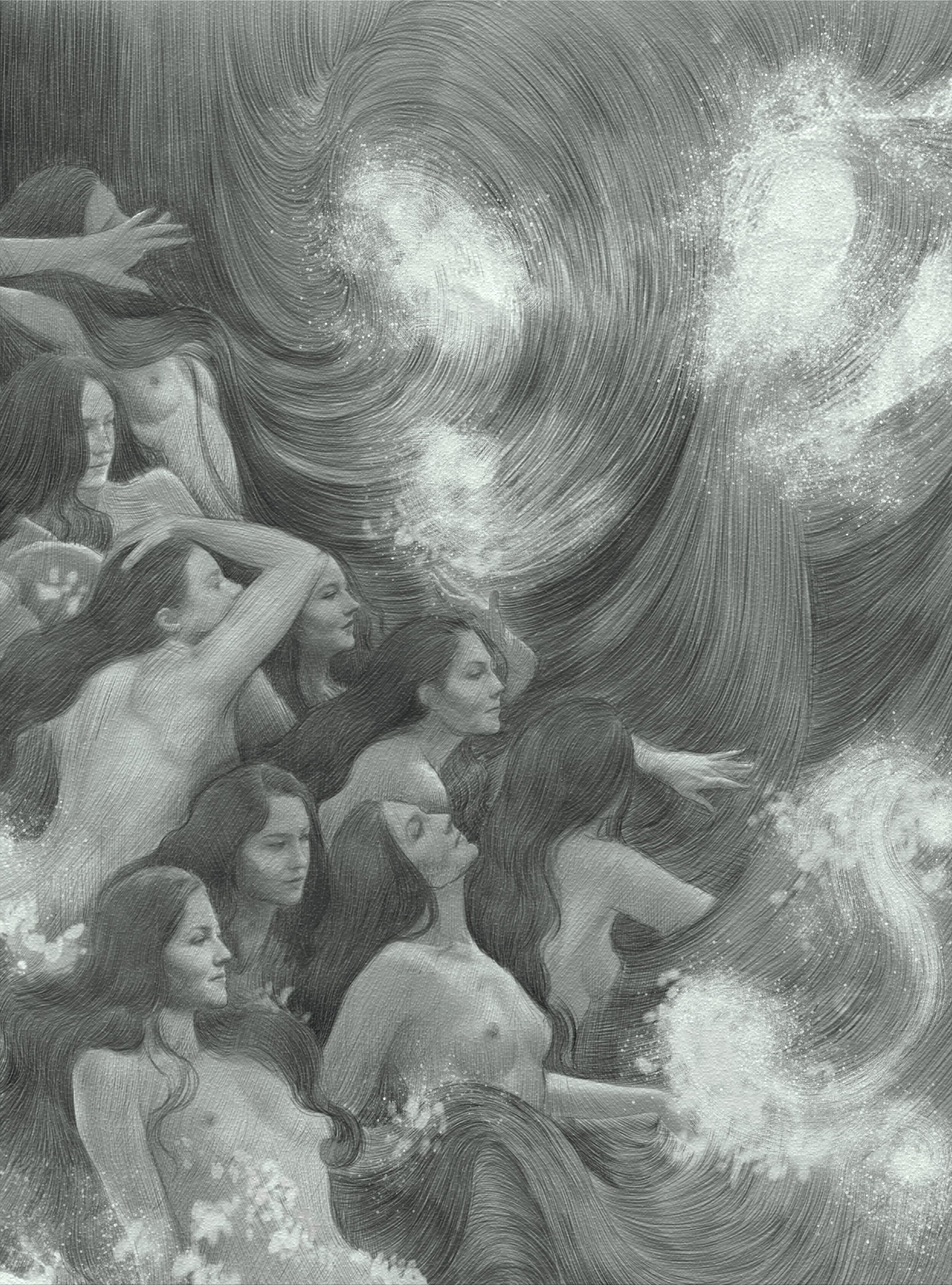
New Kvasir Symbol Database Entry: Water, Water Bodies, and Ships
Mimisbrunnr.info’s latest Kvasir Symbol Database entry focuses on water symbolism in ancient Germanic folklore. Topics covered include personified water bodies, animism, and some discussion regarding comparative data, particularly in the Old Norse record. Other topics include personified water in the modern era, such as the holy Hindu river and deity Ganga, and Hayao Miyazaki’s animistic representations of water in animated films such as “Spirited Away” and “Ponyo”.
Meeting the Rus' through translation: A survey of English language translations of Ahmad ibn Fadlan's Risala
Ahmad ibn Fadlan’s 10th century Risala contains important data for scholars active in ancient Germanic studies: Here readers can find an eyewitness account of the Rus’, a community of pagan Scandinavian merchants and subsequent namesake of modern Russia. Specialists in the field are overwhelmingly dependent upon translations of the text: Very few scholars in ancient Germanic studies read Middle Arabic. Whether for scholastic discussion or in preparation for a new translation, scholars are wise to survey extant editions of the text and to consult accompanying supplementary material. By way of the present survey, the authors hope to help simplify this process.
Edda to English revised, expanded, and now available in PDF format
Mimisbrunnr.info has revised, greatly expanded, and made available a PDF version of “Edda to English: A Survey of English Language Translations of the Prose Edda”.
Print-friendly PDF of the Simdex now online
Ever wanted to print out Mimisbrunnr.info’s The Simdex: An Unofficial Index for Rudolf Simek’s “Dictionary of Northern Mythology” and place it in the back of Rudolf Simek’s Dictionary of Northern Mythology? You’re in luck!